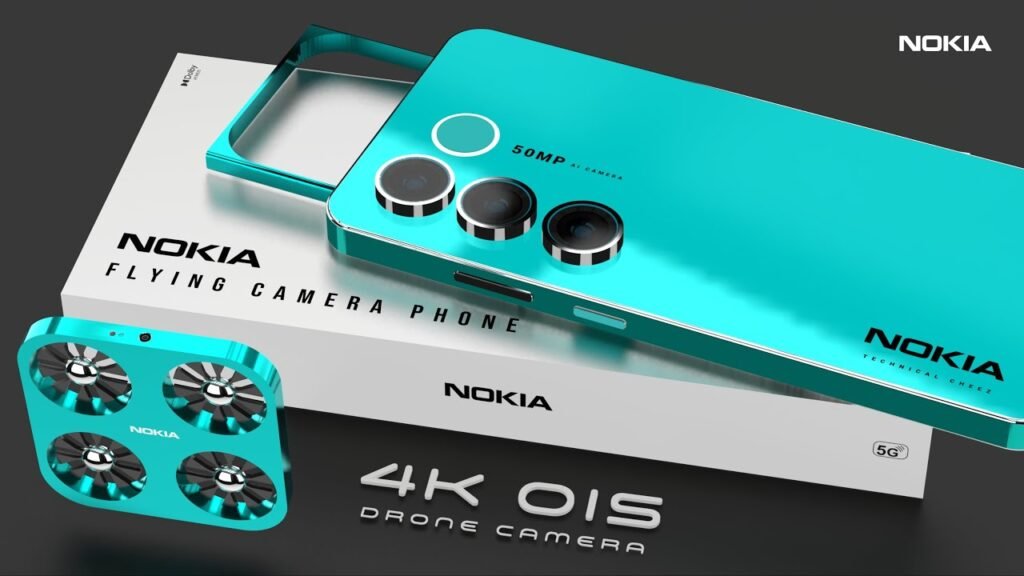

When you think of Nokia, you probably remember those indestructible phones from the 2000s. But what if I told you that by 2026, Nokia might be making drones? That’s right—the brand famous for durability is reportedly stepping into the world of flying tech. The buzz is about a new drone, packed with a powerful Snapdragon chip, a serious 50MP camera, and features that sound like they’re from a sci-fi movie. Could this be the drone that changes everything for hobbyists and professionals? Let’s take a closer look at what this rumored Nokia drone might offer.
Why a Nokia Drone? A Shift in Strategy
Nokia isn’t the first name you’d associate with drones. For years, companies like DJI have ruled the sky. But the tech world is full of surprises. Nokia has a long history with cameras (remember the Lumia phones?) and rock-solid hardware. Combining that expertise with advanced flight technology makes a lot of sense. This drone could be Nokia’s big comeback move, showing they can still innovate with the best of them.
The Power Inside: Snapdragon Takes Flight
The heart of this rumored drone is said to be a custom Qualcomm Snapdragon chip. This isn’t just any processor; it’s the kind you’d find in high-end smartphones. What does that mean for flying?
- Smarter Flying: The chip’s AI can help the drone avoid obstacles intelligently, track moving subjects with pinpoint accuracy, and make real-time flight adjustments for super smooth video.
- Longer Battery Life: Efficient power management could mean longer flight times. Imagine 30-35 minutes of airtime on a single charge.
- Seamless Connectivity: Expect strong, stable connections between the drone, the remote, and your phone, with minimal lag.
Seeing is Believing: The 50MP Camera System
The camera specs are where things get really exciting. A 50MP sensor is huge for a drone. This isn’t just about more pixels; it’s about capturing incredible detail.

- Stunning Photos: You could take professional-grade landscape or architectural photos from the sky. Cropping into a tiny part of the image would still leave you with a sharp, usable photo.
- Super-Smooth 4K/8K Video: With that much sensor power, recording ultra-high-definition video is a given. Combined with advanced stabilization, your footage would look like it was shot with a professional gimbal.
- Low-Light Champion: A larger sensor typically performs better in dusk or dawn, meaning you could capture beautiful golden hour shots without too much grain or noise.
Futuristic Flying Features We Hope to See
Beyond the core specs, a 2026 drone needs to be smart and easy to use.
- Autonomous Flight Modes: Think “Follow Me,” where the drone tracks you hiking or biking, or pre-programmed flight paths for filming a property.
- Advanced Safety Systems: Multiple sensors (sonar, vision, infrared) creating a 360-degree shield to prevent crashes into trees, buildings, or wires.
- Compact & Portable Design: Nokia knows how to build tough, sleek devices. We’d expect a foldable design that fits in a backpack without sacrificing durability.
- Intuitive App Control: The companion app would need to be user-friendly, offering easy access to settings, flight data, and quick editing tools for your photos and videos.
Nokia Drone 2026: Rumored Specifications at a Glance
| Feature | Rumored Spec |
|---|---|
| Processor | Custom Qualcomm Snapdragon Flight Platform |
| Camera Sensor | 50 Megapixels |
| Video Recording | 8K @ 30fps / 4K @ 60fps |
| Maximum Flight Time | Approx. 35 minutes |
| Obstacle Avoidance | Full 360-degree sensor suite |
| Transmission Range | Up to 10 km (FCC) |
| Portability | Foldable arm design |
| Launch Window | Late 2025 – 2026 |
Who Would This Drone Be For?
This wouldn’t be a toy. Given the speculated features, it would target serious users.
- Content Creators: Vloggers, YouTubers, and photographers needing cinematic aerial shots.
- Adventure Enthusiasts: Hikers, travelers, and sports lovers wanting to document their experiences from above.
- Small Business & Real Estate: For inspecting property, creating marketing videos, or mapping land.
Potential Challenges
It won’t all be smooth flying. Nokia would face big challenges.
- The DJI Giant: Competing with DJI’s market dominance, brand loyalty, and mature ecosystem is a massive task.
- The Price Point: With these specs, the drone would likely be expensive, possibly in the premium $1,500+ range.
- Software is Key: Great hardware needs flawless, intuitive software. Nokia would have to build a whole new flight control system from the ground up.
5 Frequently Asked Questions (FAQs)
1. Is Nokia really making a drone in 2026?
This article is based on industry rumors and speculation. Nokia has not made any official announcement. The concept makes sense given tech trends, but we must wait for an official confirmation.



2. How would a Snapdragon chip help a drone?
It provides powerful AI for smarter flying, better image processing for the camera, efficient battery use for longer flights, and strong, stable wireless communication.
3. Is a 50MP camera overkill for a drone?
For most casual users, yes. But for professionals and serious creators, it allows for incredible detail, flexible cropping in editing, and better performance in various lighting conditions.
4. What would be the biggest competitor to a Nokia drone?
DJI would be the main competitor, specifically models in their Mavic series (like the Mavic 3) which are known for their camera quality, reliability, and smart features.
5. When can we expect official news?
If the project is real, we might hear whispers or see leaks in late 2024 or 2025, with a potential launch sometime in 2026.

Conclusion
The idea of a 2026 Nokia Drone is fascinating. It combines the trusted Nokia name with cutting-edge specs like a Snapdragon processor and a 50MP camera. While it’s still a rumor, it paints a picture of a powerful, intelligent flying camera designed for the future. If Nokia can deliver on this promise—building a drone that’s both technologically brilliant and ruggedly reliable—they could seriously shake up the drone market. For now, it’s a exciting glimpse into what the next generation of aerial tech might hold. Keep your eyes on the sky and the tech news; the next big thing in drones might come from a very familiar name.